The Longevity
Show
Conversations about health, medicine, and what comes next.
Find a conversation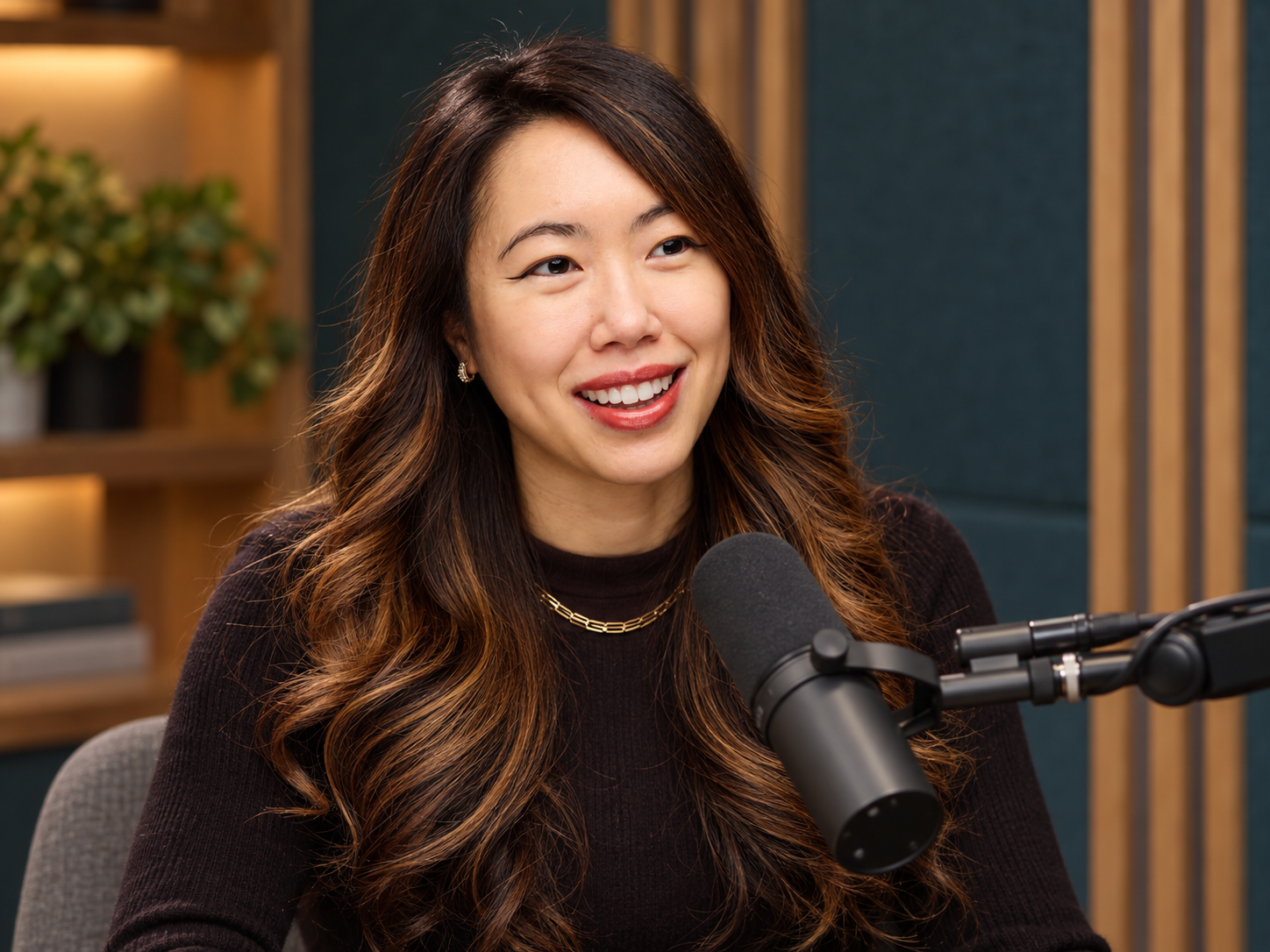
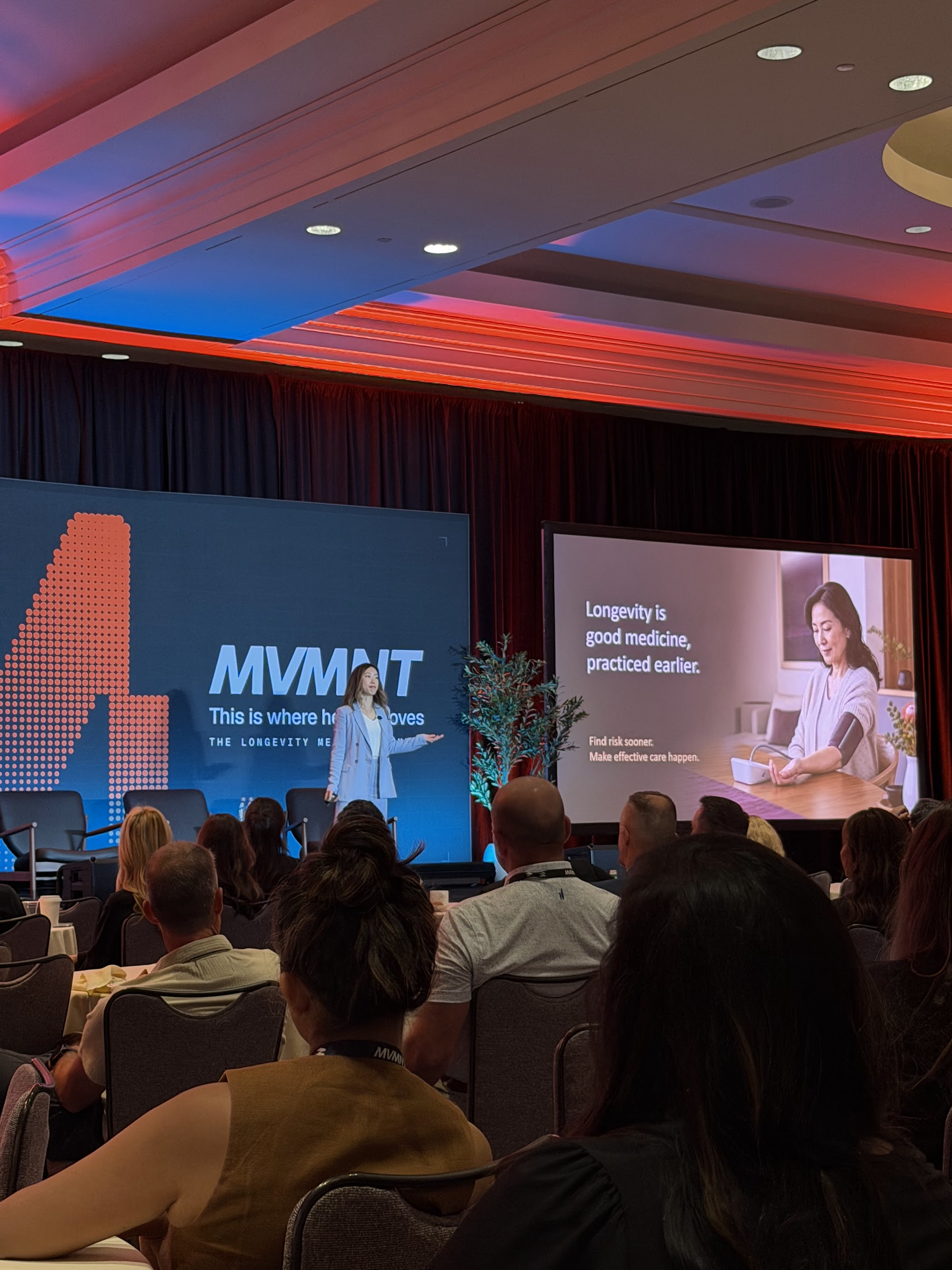
I’m a physician and founder exploring how medicine and AI can expand what’s possible—and helping you decide what to do with it.

Conversations about health, medicine, and what comes next.
Find a conversationThe research I’m thinking about, and what it could mean for everyday life.
Read the LetterArticles, practical guides, and past episodes. Explore a question at your own pace.
Care, programs, and products, with medical judgment behind the choices.
Explore HealthspaceMedicine and AI are changing the lives we can choose. I explore what those advances make possible, who can access them, and how to use them well.


For clinicians and builders: tools, clinical support, and notes on turning health products into real care.
