The Longevity Letter #6: The shift from guesswork to precision medicine for true longevity
From reviving sluggish mitochondria and replacing painful biopsies with nanoneedles to detecting Parkinson’s via earwax, this week's issue unpacks the latest breakthroughs moving us from medical
The Longevity Letter
Longevity & Health Insights
Hi ,
Care Core team has been heads down - the goal is to launch close to half the businesses who have signed up (55 already!) by end of summer. 🚀
tldr; What Care Core does: While everyone else is still trying to figure out dropshipping supplements, we're building the infrastructure that makes health influencers and brands look like absolute wizards. Our physician-backed marketplace allows anyone to offer personalized, shoppable health recommendations based on your client's health intake.
Speaking of being ahead of the curve, here's what happened in longevity this week...
🔬 Scientists Just Cracked the "Fountain of Youth" Enzyme
Think of SIRT3 as your mitochondria's quality control manager—it keeps your cellular power plants running smoothly. As we age, this enzyme gets lazy, partly because NAD+ (its favorite fuel) drops by half. CCM Biosciences figured out how to wake it back up to teenage energy levels.
Why This Matters: Previous companies burned through $720 million trying to crack this code and failed. These new compounds work even when your NAD+ is running low—like having a car that runs great on fumes.
Real Talk: While everyone's obsessing over NAD+ supplements, the smart money is on fixing the machinery that actually uses NAD+. It's like upgrading your engine instead of just adding more gas.
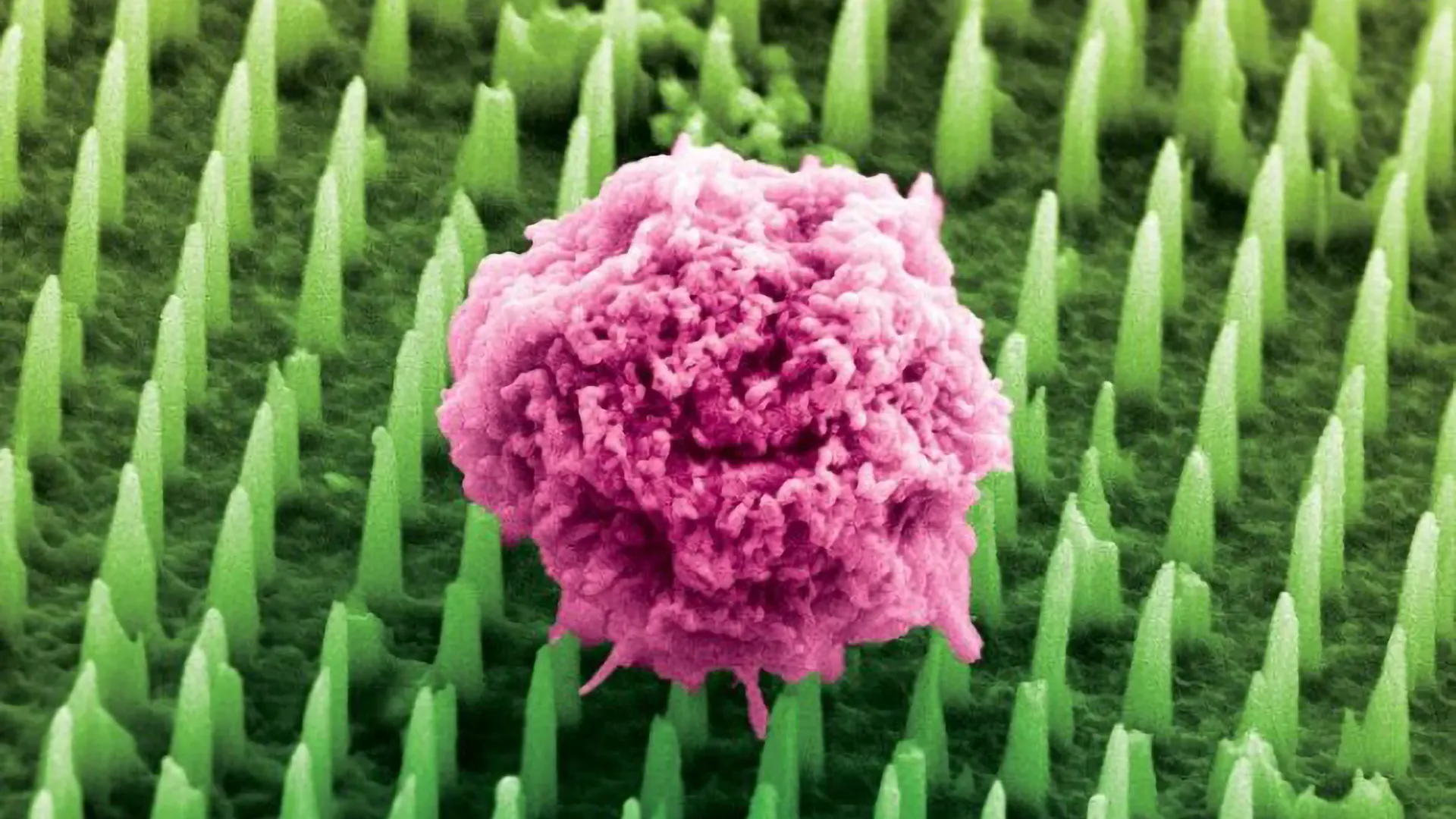
🩸 Goodbye, Painful Biopsies. Hello, Magic Patch.
Imagine getting a comprehensive tissue analysis with something that feels like putting on a Band-Aid. Scientists created a patch covered in millions of needles so tiny (1,000x thinner than hair) that you can't feel them. It reads your cells' molecular signatures without actually taking any tissue.
The Game-Changer: Instead of cutting out chunks of brain tissue to check for cancer, surgeons could slap on this patch (while the skill is open) and get results in 20 minutes. Same tissue, multiple tests, zero damage.
What This Means: Imagine the implications beyond the brain. Medical testing is about to become as easy as wearing a fitness tracker. Early disease detection without the drama, pain, or recovery time.
👃 AI Can Smell Parkinson's in Your Earwax (Seriously)
Turns out your earwax contains a chemical fingerprint that changes when you have Parkinson's. Chinese scientists trained AI to "smell" four specific compounds (VOCs) that differ between healthy people and those with the disease—94% accuracy from a simple ear swab.
Why Earwax? Your skin produces oils that reveal disease, but external factors mess with the signal. Earwax is the same oils, just protected inside your ear canal—like having a sealed sample that's been preserved for testing.
The Big Picture: Forget expensive brain scans and subjective symptom checklists. Early Parkinson's detection could become as simple as a cotton swab and a few minutes of AI analysis.
🧠 The Iron Problem Nobody Saw Coming
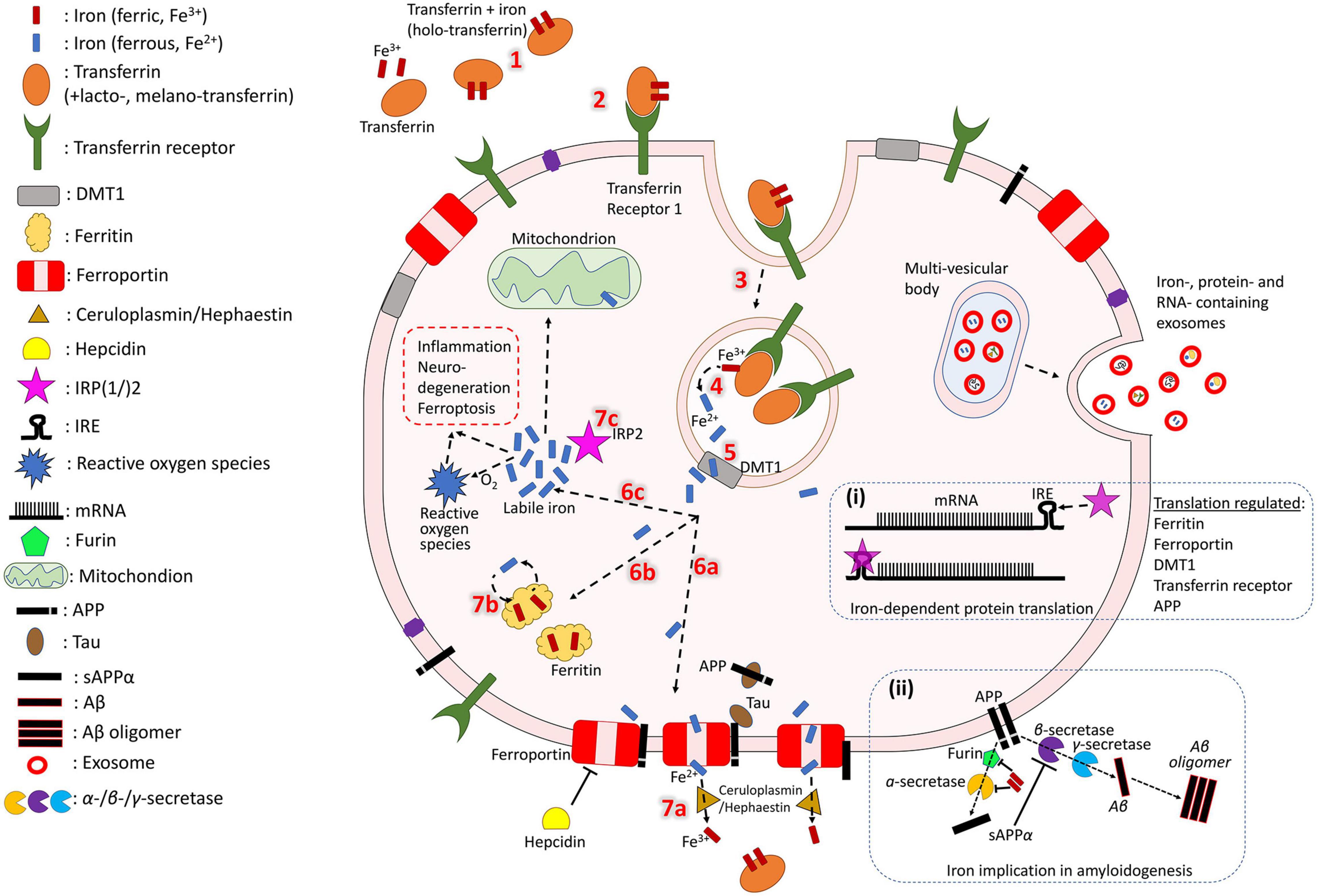
People with Down syndrome get Alzheimer's 20 years earlier, and scientists finally know why: iron overload. Their brains accumulate twice as much iron, which triggers a specific type of cell death called ferroptosis. Basically, their brain cells rust from the inside out.
The Fix: Early research shows that iron-chelating drugs (think of them as cellular rust removers) might slow this process. It's like adding rust protection to your brain's most vulnerable areas.
Why This Matters: Iron isn't always good for you (don't go willy nilly on those supplements). This discovery is shifting how researchers think about brain health and why some people age faster than others.
🦙 Llamas Might Have Just Ended the Pandemic Game
While most COVID treatments target the parts of the virus that keep mutating, llama antibodies work like a lock on the virus's "door handle" - the part that can't change without breaking the whole mechanism. When researchers tried to force the virus to evolve around these antibodies, it basically gave up.
Why This Works: It's like disabling a car by removing the steering wheel instead of just blocking the windshield. The virus needs this mechanism to function, so it can't easily mutate around it.
Bigger Picture: This isn't just about COVID—it's a new playbook for staying ahead of any evolving pathogen. We might finally stop playing whack-a-mole with variants.
🔮 The Question Everyone's Asking
We keep getting the same question from practitioners: "How do I stay relevant when my clients are reading the same longevity research I am?"
Here's the thing—your clients aren't asking you to be Google. They can find out about new studies themselves. What they can't do is figure out which ones actually matter, how to implement them safely, or what to do when the results don't match the hype.
Your value isn't in knowing everything first. It's in being the filter between the noise and what actually works. The person who can say "Yes, the SIRT3 research is interesting, but here's what we should do about it for you based on your specific situation."
The practitioners who struggle are the ones trying to compete with information. The ones who thrive are competing with execution.
Hillary Lin, MD
Co-Founder & CEO
P.S. We're currently talking with investors who get excited about provocative models to fix healthcare. If you know someone who thinks about the intersection of cutting-edge science and consumer healthcare, we'd love to connect.
Follow me for more longevity insights: YouTube | LinkedIn | Instagram | TikTok
Want to turn your wellness brand into a full-service health destination? Learn about Care Core's platform or Get Started Here