The Longevity Letter #10: 3 longevity breakthroughs that could add decades to your life
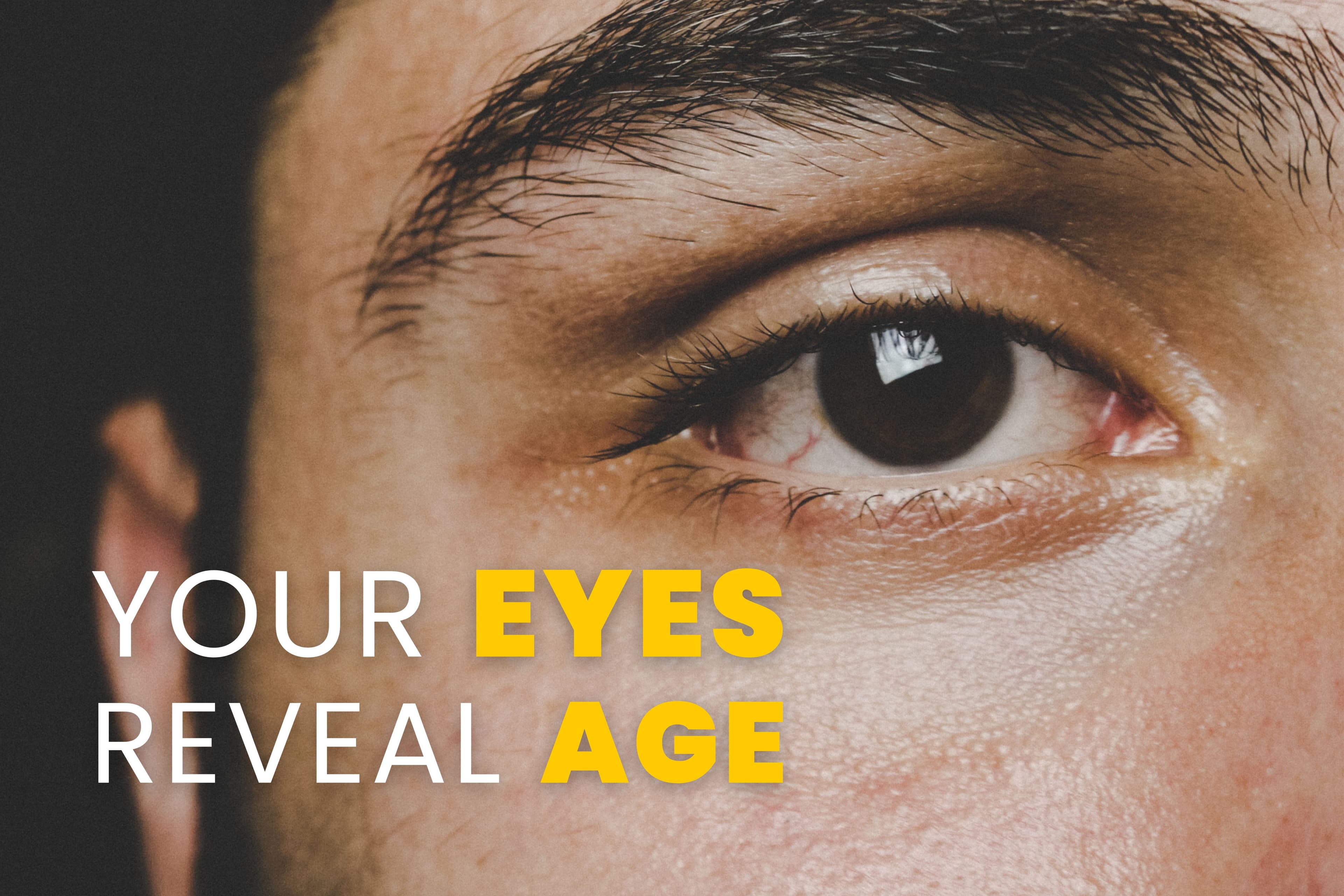
Discover how a simple eye scan can now predict your death risk, why magic mushrooms might be the next big longevity drug, and the new "cocktail" treatment that extended lifespan by 35%.
The Longevity Letter
Longevity & Health Insights
By Dr. Hillary Lin, MD
Hi ,
From magic mushrooms to collagen, it's been a wild week for longevity science! We are truly still in the early days of longevity - particularly the translation of longevity science to clinical application. Not to mention, it is lining up very well with the rollout of continually more exciting AI releases leading possibly to...medical superintelligence?
👀 Your Eyes Are Aging Clocks (And Startups Are Paying Attention)
The breakthrough: A groundbreaking study involving 45,000+ participants found that AI analysis of retinal photographs can predict biological age with stunning accuracy—and more importantly, predict who's likely to die. Each year of "retinal age gap" (when your eye looks older than your actual age) correlated with a 3% higher death risk. Those in the worst quartile? 66% higher mortality risk.
The tech is getting real: In July 2025, longevity platform Lifeforce partnered with AI imaging company Toku to turn routine eye exams into biological age assessments. Toku's BioAge product estimates your aging trajectory from a single retinal scan, while their upcoming CLAiR technology (FDA Breakthrough Device designation, approval expected 2026) will assess cardiovascular risk. The kicker? This works with existing eye care infrastructure—thousands of weekly eye exams become longevity screenings.
Why retinas work: Your retina is the only place where blood vessels and neural tissue can be observed directly without cutting you open. Subtle changes are key indicators of biological aging, thought to be due to increased oxidative stress, endothelial dysfunction, and impaired tissue repair mechanisms. The AI focuses on microvascular features around major blood vessels—when researchers digitally removed vessels from images, prediction accuracy plummeted from 2.8 to 4.3 years of error. Translation: your eye's blood vessel health reflects your entire body's aging process.
The startup gold rush: As someone who's had several dozen retinal scans due to lifelong myopia and retinal injury, I am optimistic from the explosion of AI diagnostics companies in this space. Some are building proprietary hardware (like portable smartphone-based cameras for underserved areas), while others create software that works with existing fundus cameras. FDA-approved systems like IDx-DR and EyeArt already screen for diabetic retinopathy, but the next wave targets broader health insights—cardiovascular risk, neurodegeneration, even overall mortality prediction.
The bigger picture: This fits into the $600 billion longevity market where biological age trumps chronological age. Unlike expensive epigenetic clocks or brain scans, retinal imaging is cheap, fast, and available almost anywhere. A routine eye exam could soon tell you more about your health trajectory than a full physical—and startups are racing to make it happen.
🐁 Remarkable Mice, Harsh Realities (And Strategic Opportunities)
The brutal truth up front:Over 92% of drugs that work in animals fail in humans, and only 5% of promising animal therapies ever get approved. Yet three recent mouse studies are so mechanistically compelling that even hardened researchers are paying attention—and smart money should too.
The combination breakthrough: Nature Aging just published results showing trametinib + rapamycin extended mouse lifespan by 35%—not through a single pathway, but by hitting multiple aging mechanisms simultaneously. Both drugs are already FDA-approved for other uses, potentially shaving years off clinical development. The study showed reduced tumors, preserved brain function, and systemic anti-inflammatory effects. Translation timeline: 2-3 years to human trials if someone moves fast.
The psychedelic surprise:Psilocybin extended both cellular lifespan (57%) and mouse survival (80% vs 50%) when treatment started at mouse equivalent of 60-65 human years. The mechanism involves SIRT1 activation, telomere preservation, and reduced oxidative stress—hitting multiple aging hallmarks. With psilocybin already having FDA breakthrough therapy status and established safety profiles, this could accelerate clinical pathways for aging applications.
The neurodegeneration angle: Researchers showed that copper supplementation prevented Parkinson's-like pathology by targeting misfolded SOD1 proteins—a newly recognized mechanism in neurodegeneration. The blood-brain-barrier-permeable copper compound (CuATSM) preserved dopamine neurons and corrected protein dysfunction. So don't try this at home - regular copper does not have adequate brain uptake for efficacy.
Bottom line: These studies suggest aging research is shifting from single-target approaches to systems-level interventions. Whether these specific treatments work in humans, they validate combination strategies and demonstrate aging plasticity even in late life. Smart bets on the approach, not necessarily the exact compounds.
From AI-powered retinal aging and combination mouse therapies, we're witnessing the convergence of multiple scientific disciplines around a single goal.
This isn't just scientific progress; it's the blueprint for longevity medicine's next decade. Imagine routine eye exams that not only assess your biological age but immediately connect you to personalized combination therapies based on your specific aging profile. The infrastructure is already there - every ophthalmology clinic (even PCP offices soon) becomes a longevity assessment center, every aging biomarker becomes a treatment decision point.
The timeline is compressing. FDA breakthrough designations for both retinal AI and psilocybin, plus existing approvals for rapamycin and trametinib, mean we could see clinical applications within 2-3 years rather than the typical decade. For the first time, the science, regulatory pathways, and market demand are aligning.
The question isn't whether personalized longevity medicine is coming—it's whether you'll be positioned to benefit from it when it arrives.
Hillary Lin, MD
Co-Founder & CEO
Follow me for more longevity insights: YouTube | LinkedIn | Instagram | TikTok
Want to turn your wellness brand into a full-service health destination? Learn about Care Core's platform or Get Started Here